Tag: nonfiction

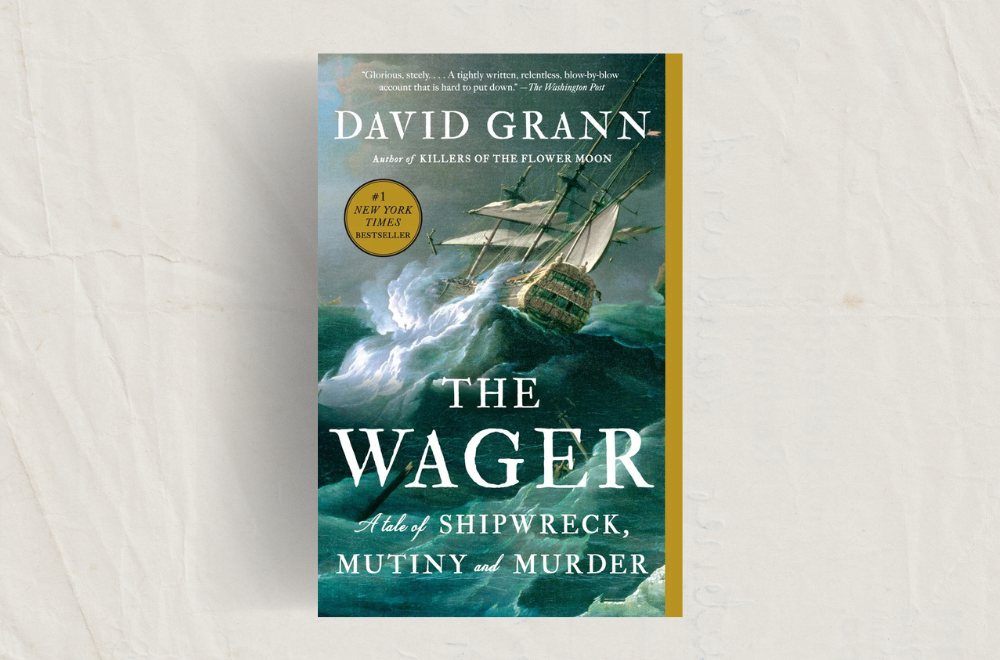
  • The Wager by David Grann

    The Wager by David Grann

    No spoiler overview

    I really don’t read that much nonfiction. The fact that both of my book clubs chose nonfiction books in the same month was a challenge. That’s how I ended up reading The Wager: A Tale of Shipwreck, Mutiny, and Murder; otherwise, I never would’ve picked it up.

    We follow a fleet on a secret mission for the British Empire in an attempt to take down the Spanish. Unfortunately one ship, The Wager, got the shortest of all the sticks. When rounding Cape Horn to get to the Pacific Ocean, the ship takes a beating and loses the fleet. In the captain’s desperate attempt to rejoin them, they get stuck on an island off Patagonia. The crew quickly split into factions on the island, and tumble into depravity and despair. Miraculously, some of them make it back to England after many trials. Then the story shifts to he said, she said, ending in a court martial to determine their fate.

    The Wager covers a broad swath of topics. If you enjoy exploring the bounds of civilization, the effects of colonization, and who stands on the “right” side of history, you’ll likely enjoy this book. David Grann has figured out how to make nonfiction more compelling through his narrative style, making this book more approachable for those of us who don’t love nonfiction reading. It still was not my most favorite, but I didn’t dislike reading it as much as I thought I would.

    Full review

    Grann ends The Wager with a focus on who controlled the narrative of this story. Everyone who survived that shipwreck had a version of events that skewed things their way, painted them in the best light. In the last few pages, he makes the point that, in the end, almost everyone missed the bigger picture. While pointing the finger at each other, they completely miss that it was the British Empire that was to blame. They only got into this mess because of the empire trying to distract from a failing war, which started because they wanted to keep expanding trade routes. The narratives of the survivors didn’t matter in the end, because the empire covered everything up, rending their struggle for naught. It was ultimately their blind loyalty to the empire that was to blame.

    What’s interesting to me about this ending is that it felt out of left field when I was reading it. Not because it’s wrong, but because it’s such a shift from the majority of the book. Most of the book is retelling the events of The Wager in a very straightforward “this is what happened” style. The section that covers the warring narratives is relatively short in comparison, and again feels very straightforward. There was no question in my mind about the way the events went down. It was more about who was in the right. In the last chapter, Grann delves into the cruelty of the empire through slavery, treatment of indigenous people, war. The empire’s control of the narrative meant that all those cruelties could get hidden behind they “victory” of finding the Spanish treasure.

    It left me wondering, what is the point that Grann is trying to get across? What is his narrative of this story telling us about him?

    Disclosure: I am an affiliate of Bookshop.org and I will earn a commission if you click through and make a purchase.
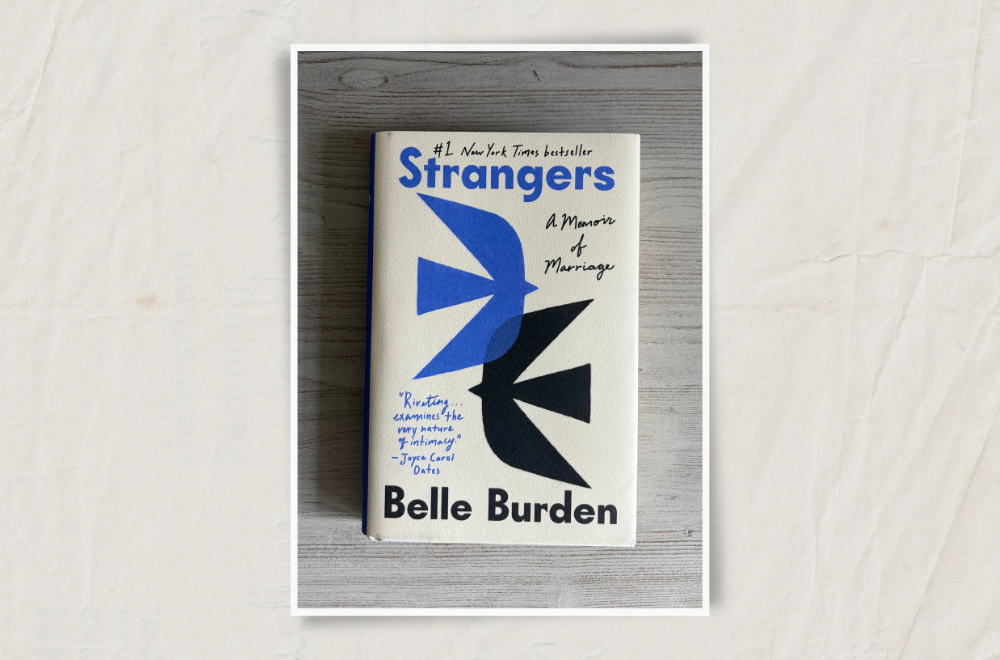
  • Strangers by Belle Burden

    Strangers by Belle Burden

    No spoiler overview

    There’s no denying that Belle Burden has gotten people thinking and talking with this one. Strangers: A Memoir of Marriage is an emotional deep-dive on how Burden’s marriage abruptly ended. She weaves together bits and pieces of her life to try answering what happened and how they got there.

    Personally, I do not find this book worth the hype. I have heard a dozen versions of this story from women at all stages of life (certainly more interesting versions). It’s not a novel situation, but Burden treats it so. It seems to me the main reason this is such a “hit” is because Burden’s family are upper-class New Yorkers. Our society is always obsessed with what these people get up to behind closed doors. And I can only imagine that her connections helped make a splash when the book got published.

    Full review

    What didn’t work

    Burden says she wants to tell her story for women, for her children, to be a cautionary tale. And yes, women should be able to have a voice and share their side of things… but you have to be honest when doing it.

    After closing this book, I wanted to find the original article Burden wrote in The New York Times. Mainly because I was convinced that she didn’t need to expound this story any further than article-length. It was behind a paywall that I didn’t feel like coughing up for. But in my search, I found another article from The New Yorker covering the details left out of Burden’s story. A major theme of her story is around finances, particularly how much Burden stood to lose despite a prenup. But this article makes clear that Burden was never at huge risk, still holding several trusts at the time of the divorce which her husband would have no claim to.

    If you ask me, it really seems like Burden met a man and turned her brain off. She was willing to do anything he wanted, just because he wanted it. They met while she was with someone else; Burden ended it for him. He didn’t like the prenup; she changed it despite lawyers urging her not to. He wanted to buy a place in Martha’s Vineyard; she used her trust to get it for them. On and on and on. The biggest offence to me was that she clearly knew the man had some weird ideas around money from his family. Even knowing that, she let him run the finances, fully handing over management to him. Brain: off.

    I have to share a couple of quotes that made me absolutely stop in my tracks:

    “He made me whiskey sours as the sun set (we believed reports that whiskey would kill the virus)…”

    This was about COVID. Please say sike.

    “When I found James searching the basement, I knew he wouldn’t find the prenup…. I didn’t find it. If I had, I would have burned it.”

    I’m kind of shocked a lawyer allowed this to go out?? But I was slightly cheering for her in that moment.

    “It also forced me to acknowledge how myopic, how grandiose, I’d been about my own story. It wasn’t just recognizing my comparative good fortune (which was enormous); it was seeing the scope of life, of challenge, of suffering, of what human beings endure; it was a zooming out.”

    This was in reference to her pro bono work. I wish she had carried more of this sentiment throughout the rest of the book.

    What did work

    There was one part I found really interesting that I wish we got more of. Hearing the reactions of people to the divorce was so fascinating. Some people were horrible, and some just bizarre. I would’ve liked much more on that instead of reading about memoir writing classes (like ok we got it, you wrote a memoir).

    I honestly am glad to hear about the growth she experienced after their divorce, and how she took back control of her life. If this is the story that gets people to stop giving up that control in the first place, then so be it.

    Disclosure: I am an affiliate of Bookshop.org and I will earn a commission if you click through and make a purchase.